Ready to host the party of the year, but stuck choosing something that feels more original than the usual dinner, drinks, and a playlist? That's where most party planning goes sideways. People spend all their energy picking a theme, then get bogged down by the headache: invites, RSVPs, headcounts, food counts, and who's showing up.
A good party idea should make planning easier, not harder. The right concept gives you a natural dress code, a simple food plan, and built-in activities so you're not scrambling to entertain people once they arrive. It also helps guests say yes faster because they instantly understand the vibe.
This guide rounds up 80 party ideas that work for birthdays, work events, community gatherings, and casual celebrations. These first ideas get to the list fast and focus on formats people enjoy, from elegant themed nights to low-pressure backyard hangs and hybrid events that include remote guests. Each one includes a Pro Planning Tip so you can handle guest lists and RSVPs without turning party week into an admin job.
If you're hosting outdoors this season, it also helps to browse a solid backyard party guide for hosts before you lock in seating, shade, and food setup.
Table of Contents
- 1. 1. Roaring '20s Gatsby Gala
- 3. 3. 80s Neon Rewind
- 3. 3. 80s Neon Rewind
- 4. 4. DIY Craft Night Pottery or Painting
- 5. 5. Board Game Tournament
- 6. 6. Outdoor Movie Night
- 7. 7. DIY Pizza Party
- 9. 9. Craft Beer or Wine Tasting
- 9. 9. Craft Beer or Wine Tasting
- 10. 10. Park Picnic Potluck
- 12. 12. Hybrid Trivia Night
- 12. 12. Hybrid Trivia Night
- 13. 13. Bonfire and S'mores Night
- 14. 14. Masquerade Ball
- 15. 15. Color-Themed Party
- 15-Item Party Ideas Comparison
- Your Perfect Party Starts with a Plan
1. 1. Roaring '20s Gatsby Gala
A Gatsby party works because it gives everyone instant direction. Guests know what to wear, your decor choices narrow fast, and even the drinks menu becomes easier to shape. Flapper dresses, feather headbands, pinstripe suits, gold accents, and art deco details do most of the heavy lifting.
Set the mood
Keep the room polished rather than cluttered. A black, gold, and cream palette usually looks more expensive than it is, especially when you add candlelight, jazz, and a simple bar menu with Mint Juleps and Sidecars. If you want one visual centerpiece, make it the photo area instead of trying to style every corner.
A practical move is to create one “speakeasy entry” moment at the door. Velvet rope, dim lighting, and a printed guest list can make even a living room party feel exclusive.
Practical rule: Pick two statement decor elements and repeat them. Too many props turn a Gatsby party into a costume bin.
Pro Planning Tip
Exclusive themes work better when entry feels organized. For a clean arrival flow, create QR code tickets for Google Sheets and send digital invitations that match the theme. At the door, a quick scan keeps things moving and helps preserve that invite-only energy.
If you want inspiration for a polished setup, this example of party gala QR code invitations shows how a formal event can still stay simple operationally.
3. 3. 80s Neon Rewind
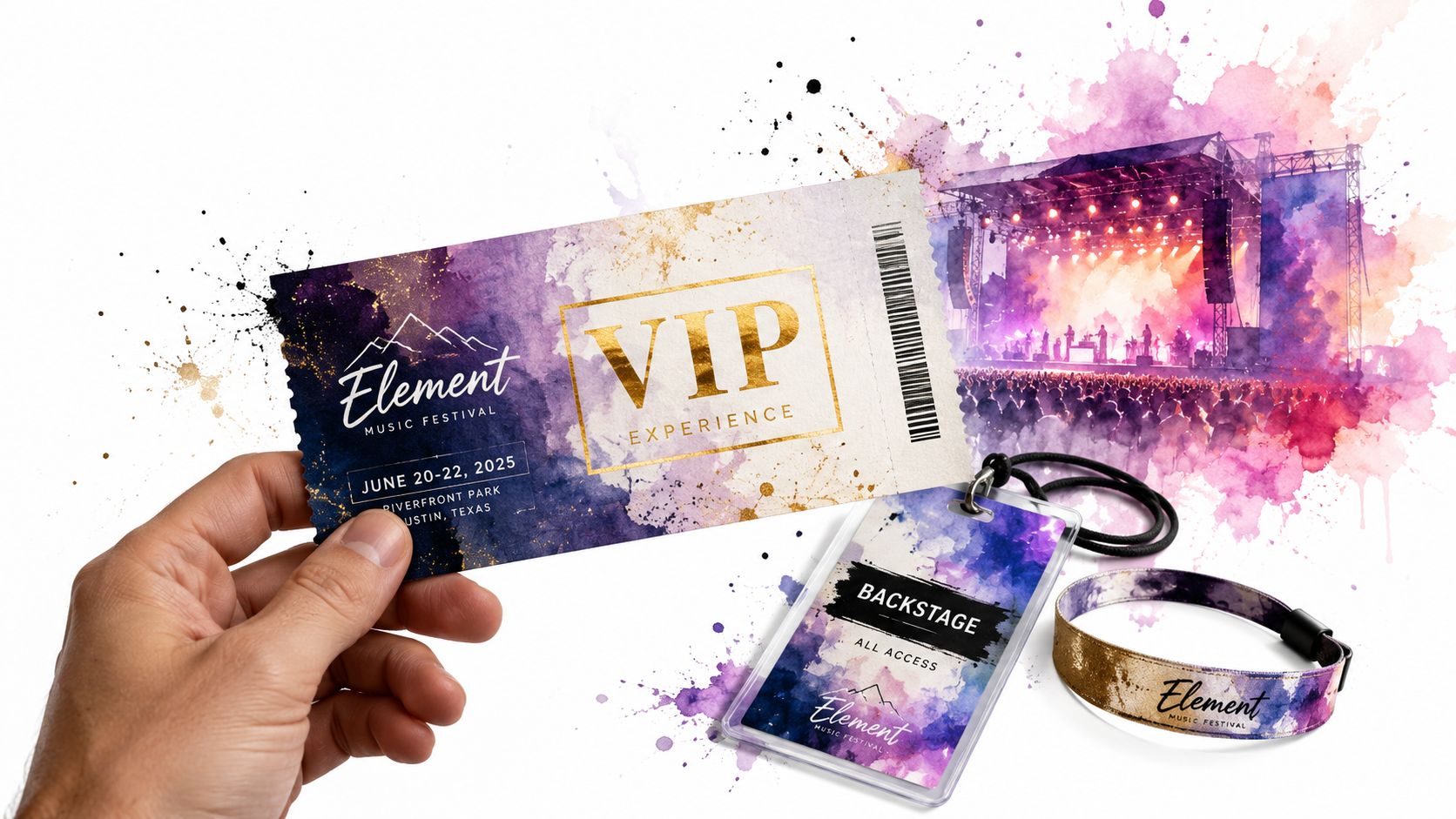
Want a theme guests recognize fast and reliably show up dressed for? An 80s party usually gets quick buy-in because the visual cues are obvious. Neon, denim, leg warmers, scrunchies, big jackets, and synth-heavy music do the work for you.
The trick is giving the nostalgia some structure. A good 80s setup feels active, not just colorful. Build the night around a few clear zones: a dance floor with a strong playlist, a photo corner with sunglasses and inflatable props, and one interactive piece such as karaoke, a lip-sync battle, or a short dance-off. That mix keeps different personality types engaged, including guests who do not want to dance all night.
Build the room around energy
Lighting matters more here than expensive decor. Colored bulbs, glow sticks, and a few blacklight-friendly accents usually create a bigger effect than filling the room with random retro props. If the budget is tight, spend on music and lighting first. Guests will remember the feeling in the room long after they forget the table setup.
Food should be easy to grab between songs. Bowls of nostalgic snacks such as gummy bears, popcorn, chips, and candy work better than anything fussy. For drinks, pick two themed options and label them clearly. Too many novelty cocktails slow down the bar and create extra cleanup.
Practical rule: Choose one headline activity and one strong photo moment. Too many side activities split the room and flatten the energy.
Pro Planning Tip
Retro parties often attract extra plus-ones, so guest tracking matters more than hosts expect. Send digital invites with a simple RSVP cutoff, ask guests to confirm whether they are bringing someone, and keep your live guest list in one shared sheet. At the door, use QR code ticket check-in for Sheets so entry stays quick and you can spot no-shows before food and drink counts get thrown off.
This theme works best when the fun feels loose but the logistics stay tight.
3. 3. 80s Neon Rewind
If you're looking for 80 party ideas that people instantly understand, this one almost always gets a fast yes. Neon colors, big hair, denim, leg warmers, and synth-pop are familiar enough that guests don't need much explanation.
There's a reason the theme still holds up. The 1980s saw U.S. music sales reach $12.5 billion by 1989, a 300% increase from 1980 figures, and the decade's music and style still shape what people expect from a retro party.
Build the room around nostalgia
Don't just hang neon streamers and call it done. Set a playlist with Madonna and Michael Jackson, create a photo booth with sunglasses and inflatable instruments, and give people something active to do. A dance-off helps. So does karaoke.
Food and drinks can carry the theme further than people expect. Good 80s party ideas often include nostalgic snacks like Doritos, Ring Pops, Nerds, and Gummy Bears, plus themed drinks such as Electric Lemonade, Purple Rain, and Material Girl Martini from this 80s food and drink party guide.
The best 80s party ideas hit three things at once: music, color, and one hands-on activity.
Pro Planning Tip
Larger retro nights get chaotic at the door if you're checking names off a printout. Use a QR code ticket check-in for Sheets to speed up entry and keep uninvited guests from slipping in. That matters even more if you're running zones like a dance floor, arcade corner, or VIP lounge.
4. 4. DIY Craft Night Pottery or Painting
This one is ideal when you want conversation without forcing nonstop interaction. People settle in quickly when their hands are busy, and the party naturally creates its own favor because everyone leaves with what they made.
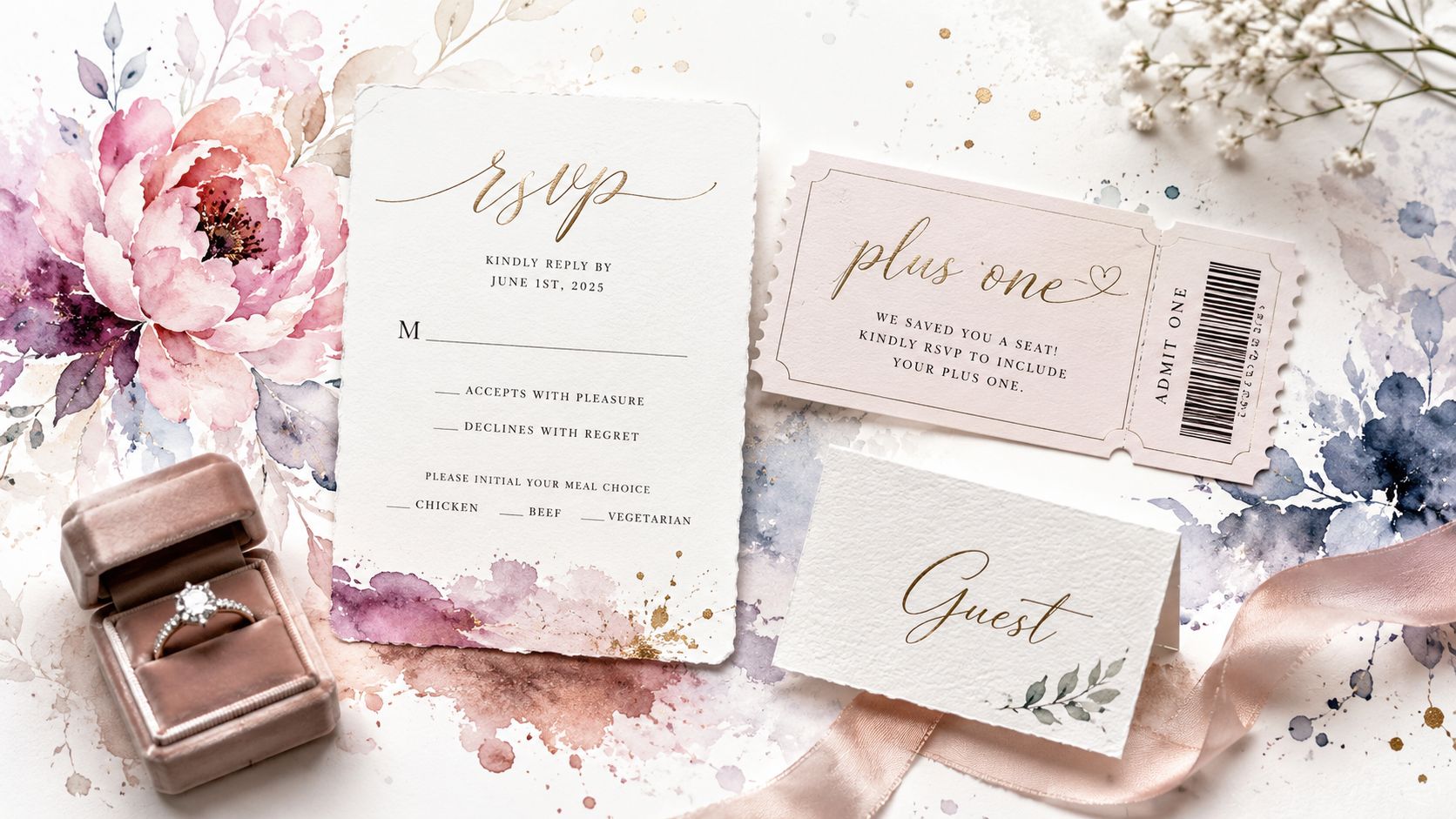
Here's the kind of polished registration feel that suits a paid workshop or class format:
Keep the format simple
Pick one craft, not three. Pottery painting, canvas painting, candle pouring, and clay sculpting all work, but mixing too many mediums usually leads to a cluttered room and confused guests. If you're hosting beginners, pre-sketch a few sample designs or offer easy prompt cards.
Supply layout matters. Put water cups, wipes, aprons, and drying space where people can reach them without crossing through each other's stations.
Pro Planning Tip
If you're charging for seats, registration has to feel clean. Set up a Google Form with your date, time slot, and any add-on options, then send branded PDF tickets automatically after signup. Keeping attendee data in one sheet makes it much easier to confirm who's paid, who picked pottery versus painting, and who still needs a reminder.
5. 5. Board Game Tournament
A board game night turns into a real event when you add a bracket and a clear finish line. That's the difference between “come over and maybe play something” and a tournament people get competitive about.
Choose games for flow, not just nostalgia
The mistake I see most often is choosing long games for every round. Mix quick-play titles with one featured final. Social deduction games can be fun, but they're rough if guests don't know each other well. Strategy games work better when everyone understands the rules before they sit down.
A strong setup might include:
- Fast opener: Use a simple game to warm people up and avoid a slow start.
- Mid-round variety: Mix luck and strategy so the same personality type doesn't dominate every table.
- Clear championship table: Save your most spectator-friendly game for the final round.
The room matters too. Give each table enough elbow room, and label score sheets clearly so people aren't hunting for the bracket host every ten minutes.
Pro Planning Tip
Track players in one place from the start. With QR code tickets for Google Sheets, you can check people in, assign them to tables, and keep your bracket or score log in the same spreadsheet. That's much easier than juggling texts, paper scorecards, and a whiteboard once everyone gets competitive.
6. 6. Outdoor Movie Night
An outdoor movie night sounds simple, and it can be. The trick is not treating it like a regular indoor watch party moved outside. Guests stay longer when they're comfortable, warm enough, and able to hear without straining.
Comfort matters more than screen size
Blankets, bug control, and seating layers matter more than having the biggest projector on the block. Mix lawn chairs, floor cushions, and picnic blankets so people can choose what works for them. For snacks, pre-bag popcorn and set candy in bins instead of one big communal bowl.
If you're hosting in a pop-up setting, this guide to a pop-up party is useful because it covers the kind of temporary setup decisions that make or break the night.
A smart host also plans for the halfway point. If the movie drags or the weather shifts, guests need an easy way to grab a drink, add a blanket, or move closer.
Pro Planning Tip
For neighborhood screenings or community events, get your headcount before sunset. A simple QR code attendance for Google Forms setup helps you estimate seating, snack amounts, and who's confirmed. That's especially helpful when families tend to RSVP casually and show up in clusters.
7. 7. DIY Pizza Party
This is one of the most reliable all-ages party formats because the activity and the meal are the same thing. Guests don't sit around waiting to be served, and picky eaters usually feel more relaxed when they can build their own.
Prep the station like a production line
Lay out dough, sauce, cheese, proteins, and vegetables in order so people move through the table once. If you scatter toppings around randomly, traffic backs up fast. Label everything clearly, especially if you have gluten-free or vegan options.
A few practical choices make a big difference:
- Separate raw and ready items: Keep uncooked meats away from finished toppings.
- Use personal trays: Guests are less likely to forget which pizza is theirs.
- Offer one house favorite combo: Some people freeze when given too many topping choices.
If you're thinking ahead to packaging leftovers or take-home slices, it helps to understand basics around choosing pizza box suppliers, especially for school, fundraiser, or community events.
Pro Planning Tip
Ask about dietary needs before shopping day. A Google Form can collect gluten-free, dairy-free, vegetarian, and allergy notes, and that information can flow straight into your planning sheet. Using QR code attendance for Google Forms also keeps your headcount tied to those food preferences instead of storing them in separate text threads.
9. 9. Craft Beer or Wine Tasting
Want a party idea that feels organized without turning your living room into a full event venue? A tasting night works because the activity is built in, the pacing is easy to control, and guests have something natural to talk about from the first pour.
Keep the lineup small. Four to six beers or wines is usually enough for people to compare styles without burning out their palate halfway through the night. I also like serving pours in a fixed order, lighter to fuller, so the stronger options do not flatten everything that comes before them.
Scorecards help more than fancy glassware. Give guests a few simple prompts such as crisp, fruity, dry, malty, bold, or earthy, and the conversation starts on its own. Pairings should stay practical too. Cheese, crackers, olives, nuts, and fruit are easy to set out, easy to refill, and less likely to compete with the drinks.
This format also scales well. A casual home version can stay simple with one shared table, while a larger party can add a premium tasting flight or guided pairing round for guests who want a little more structure.
Pro Planning Tip
Tasting parties get messy fast when RSVPs live in texts and access levels live in someone's notes app. If you're offering general admission plus a premium pairing session, track guests in one sheet and tag each person by tier before event day. A setup like this simple guest list QR code check-in walkthrough makes it much easier to verify the right group at the door without arguing over paper lists, wristbands, or who already paid.
9. 9. Craft Beer or Wine Tasting
A tasting party feels polished quickly, even in a small space. It gives people a built-in activity and enough structure to keep conversations moving, but it still feels relaxed if you don't overcomplicate it.
Keep the tasting paced
Choose a small lineup and offer simple scorecards with space for notes like crisp, fruity, dry, bold, or smoky. Pairings matter more than fancy glassware. Cheese, crackers, nuts, and fruit usually carry the night well without stealing focus from the drinks.
A formal version can support different access levels too. That matters because event setups with zones are becoming more common. Market analysis of 80s nostalgia events found a 21% year-over-year increase in demand for immersive access control tools, with 55% requiring distinct entry protocols for spaces like a VIP Dance Floor, Arcade Lounge, and Retro Bar.
Pro Planning Tip
If you're running general admission plus a premium pairing session, use QR code ticket check-in for Sheets and tag guests by access level. That way, the door team can verify the right tasting tier without arguing over wristbands or paper lists. For a simple example of that setup, this simple guest list QR code check-in walkthrough is useful.
10. 10. Park Picnic Potluck
Some of the best parties are the least formal, and a park picnic proves it. There's enough room for kids, dogs, lawn games, and people who want to drift in and out without the pressure of a tight schedule.
Plan for the ground, not just the menu
Check the actual site before the day. Shade, restroom distance, parking, table access, and wind exposure matter more than people think. If the park has grills, know whether you need charcoal, permits, or a backup if another group grabs the space first.
Keep the food practical. Pasta salad, fruit, wraps, chips, cookies, and canned drinks are easier to manage than anything requiring constant reheating or slicing.
If a picnic menu needs three coolers, two extension cords, and a folding prep table, it's not a picnic anymore.
Pro Planning Tip
You don't need a complicated system for this kind of gathering. A shared Google Sheet is often enough to track who's coming, what they're bringing, and who has extra blankets or games. For casual events, simplicity usually beats automation.
12. 12. Hybrid Trivia Night
Want a party format that works for friends on the couch and friends across the country? Hybrid trivia is one of the few options that can feel fair for both groups, as long as you build it for two audiences from the start.
Run it like one event, not two parallel ones
The biggest mistake is letting the room set the pace while remote guests try to catch up through chat. Put one person in charge of hosting the questions and another in charge of the virtual side, including chat, tech hiccups, and answer timing. That extra role sounds like more work, but it prevents the common problem where online players get ignored once the in-person group gets loud.
Question format matters too. Fast visual rounds can be fun in person, but they often punish remote guests dealing with smaller screens or lag. Audio rounds, general knowledge, pop culture, and team-based bonus questions usually play better across both formats. If you want it to stay competitive, set a clear answer window and use the same submission method for everyone.
Small groups can get away with a casual setup. Bigger groups need rules people can follow in seconds.
Pro Planning Tip
Keep RSVPs, team assignments, and attendance in one shared system. Ask guests to register as in-person or virtual before the event, then sort them into balanced teams ahead of time instead of improvising five minutes before start time. A simple form and one live guest list will save you from juggling a Zoom roster, text thread, and paper sign-in sheet at the same time.
12. 12. Hybrid Trivia Night
Hybrid events can be great, but only if remote guests aren't treated like an afterthought. Trivia works because both in-person and virtual players can participate on their own devices, especially with platforms like Kahoot! or Jackbox Games.
Balance the room and the remote crowd
Use one main screen for people in the room, but have a separate moderator watch the chat or remote queue. Without that, online players get ignored the second the in-person crowd gets loud. Categories also matter. Keep them broad enough that everyone has a shot, not so niche that one team runs away with it.
For larger or more formal hybrid events, planning details matter more than most party articles admit. A 2025 EventTrack report found 68% of corporate and educational 80s-themed events require complex access control, yet only 12% of popular 80s party idea guides address ticketing, offline validation, or real-time attendance sync. That gap is exactly why operational planning needs to sit alongside the fun part.
Pro Planning Tip
Keep both attendee types in one attendance workflow. Use QR code attendance for Google Forms for guests who arrive in person, while remote players can be marked from their registration record. One list beats splitting your event between a door sheet, a Zoom export, and someone's handwritten notes.
13. 13. Bonfire and S'mores Night
Bonfires are easy to love because they don't need much production. Firelight does the atmosphere work for you, and people naturally settle into conversation. That said, they can stall if all you offer is marshmallows and open-ended chatting.
Build in a second activity
Add one low-pressure option like acoustic music, storytelling prompts, hot cider tasting, or a simple card game table nearby. That gives quieter guests something to do and keeps the evening from flattening out.
For the food, pre-pack s'mores kits if you're hosting more than a small group. It looks better, cuts mess, and stops bottlenecks at the ingredients table.
Pro Planning Tip
If you're booking a public fire pit, campsite, or rented outdoor space, capacity may be more tightly controlled than guests expect. A QR code ticket check-in for Sheets helps you manage arrivals, avoid overfilling the site, and keep a clean record of who attended in case venue staff asks.
14. 14. Masquerade Ball
A masquerade ball is one of the few party themes that can feel dramatic without needing a huge number of props. The masks create instant atmosphere, and guests usually rise to the occasion with formalwear when the dress code is clearly framed.
Elegance needs clarity
People enjoy this theme more when they know the rules. Tell them whether masks are required, whether full-length formalwear is expected, and whether there's a reveal moment at midnight or another featured part of the night. If you leave the tone vague, half the room shows up gala-ready and the other half looks semi-formal.
Lighting deserves extra thought. Soft warm lighting works better than blasting the room with color because it keeps the masks looking refined instead of theatrical.
Pro Planning Tip
A formal event should feel polished from invitation to check-in. Create branded PDF tickets that match the color palette and send them before the event with any dress code notes included. That gives guests something concrete to save and makes the arrival process feel more curated than a name-on-a-list approach.
15. 15. Color-Themed Party
Color parties are simple, photogenic, and easy to explain. Guests understand the assignment fast, and you can scale the idea up or down for birthdays, office parties, rooftop gatherings, or holiday events.
Pick a color guests can actually wear
White, black, denim blue, pink, green, or black-and-gold tend to be easier than niche shades. The best version of this party gives people flexibility while still making the room look cohesive. You can also assign colors by team, table, or invite group if you want a more playful effect.
This concept works especially well when you want decor to stay minimal. Balloons, tableware, flowers, candy, and lighting in one color family often look cleaner than a heavily themed room.
Pro Planning Tip
Send the dress code early and make it visual. A sample color swatch or one reference image inside the invitation reduces confusion fast. Then track RSVPs in Google Sheets so you can estimate decor, food, and seating without overbuying for guests who haven't committed.
15-Item Party Ideas Comparison
A good theme gets attention. A good system keeps the party from turning into a spreadsheet mess. This comparison table does both, so you can pick an idea based on real setup demands, guest flow, and the RSVP tools that make each one easier to run.
| Idea | 🔄 Implementation Complexity | ⚡ Resources & Setup | 📊 ⭐ Expected Outcomes | Ideal Use Cases | 💡 Key Advantages / Pro Tips |
|---|---|---|---|---|---|
| 1. Roaring '20s Gatsby Gala | High. Period decor, dress code, and tighter guest control | Venue, art deco decor, cocktails, higher budget | High visual impact and a polished social atmosphere | Formal celebrations, NYE, milestone parties | Use digital ticketing tied to Google Sheets to control the guest list and keep the speakeasy feel intact |
| 2. Murder Mystery Dinner | Medium-High. Scripts, role assignments, and seating matter | Script or kit, host, seating for 8 to 20 | Interactive format with steady engagement | Small group dinners, team building | Assign characters through Google Forms and use digital check-in to confirm who actually arrived |
| 3. 80s Neon Rewind | Medium. Music, props, and crowd energy do a lot of the work | Neon decor, playlist or DJ, photo booth | Energetic, photo-friendly, high participation | Reunions, dance parties, themed socials | Use QR ticket check-in for faster entry if you expect a larger crowd |
| 4. DIY Craft Night | Low-Medium. Prep matters more than decor | Canvases or clay, tools, tables, optional instructor | Relaxed creativity and take-home keepsakes | Small workshops, casual gatherings | Use Forms for paid sign-ups so you can buy supplies based on real attendance |
| 5. Board Game Tournament | Medium. Pairings, timing, and score tracking need structure | Multiple games, tables, scoring system, prize | Competitive engagement and repeat play | Game clubs, cafés, community nights | Track players and scores in one shared sheet so the bracket does not fall apart mid-event |
| 6. Outdoor Movie Night | Low. The main risk is technical setup | Projector or screen, sound, blankets, snacks | Cozy group experience with low social pressure | Community events, family nights | Use a simple RSVP form to estimate seating, snacks, and backup rain plans |
| 7. DIY Pizza Party | Low-Medium. Food timing is the tricky part | Ovens or pizza oven, toppings bar, utensils | Interactive, family-friendly, easy to customize | Family gatherings, kids' parties | Collect dietary notes in advance through Forms so shopping stays accurate |
| 8. Global Food Tour Potluck | Low. Coordination matters more than budget | Communication tools, labels, serving space | Varied food and easy conversation starters | Potlucks, cultural nights, community events | Assign cuisines in a shared sheet to avoid six pasta dishes and no dessert |
| 9. Craft Beer or Wine Tasting | Medium. Selection and pacing shape the night | Assortment of drinks, glassware, tasting notes | Refined tasting experience with built-in conversation | Adult gatherings, corporate receptions | Use digital registration to separate general guests from premium tasting spots or guided rounds |
| 10. Park Picnic Potluck | Low. Simple format, but permits and weather can interfere | Blankets, food and drinks, outdoor games, permits | Casual, low-cost socializing | Low-budget meetups, daytime family events | A shared Google Sheet usually handles RSVPs, food sign-ups, and last-minute updates well |
| 11. Virtual Escape Room | Low-Medium. Platform coordination matters more than decorations | Stable internet, host or platform, video links | Strong remote teamwork and puzzle engagement | Remote teams, long-distance friends | Use a sign-up form and send confirmations in one batch so nobody loses the access link |
| 12. Hybrid Trivia Night | Medium. You need both room flow and tech support | Trivia platform, AV, host, registration | Inclusive participation across in-person and remote guests | Company socials, clubs with remote members | Keep one master registration list for both audiences so check-in and scoring stay aligned |
| 13. Bonfire and S'mores Night | Low. Safety rules and capacity limits come first | Fire pit, seating, fuel, permits, snacks | Cozy, intimate bonding experience | Fall evenings, campsites, small groups | Use digital RSVPs if the site has capacity limits or parking restrictions |
| 14. Masquerade Ball | High. Formal styling, staffing, and entry control add work | Elegant venue, decor, masks, staffing | Dramatic, memorable, upscale experience | Galas, New Year's, milestone birthdays | Send branded digital tickets and set up a clean, fast entrance process to avoid a line at the door |
| 15. Color-Themed Party | Low-Medium. Easy to explain, easy to scale | Coordinated decor, food styling, simple props | Strong visual impact and easy participation | Photo-centric parties, casual themed events | Send visual invites early and track RSVPs in Sheets so decor and seating match the real headcount |
Your Perfect Party Starts with a Plan
What turns a good party idea into a night people enjoy, and a plan you do not regret halfway through the week? The answer is usually guest management.
A fun theme gets attention. A clear RSVP system keeps the event under control. That is why the strongest part of these 80 party ideas is not only the concept itself, but the Pro Planning Tip that comes with each one. It helps you match the vibe of the party with the planning work behind it, from collecting dietary notes to tracking plus-ones to knowing your final headcount before you shop.
Hosts get into trouble when details live in five places at once. A few replies are in text, a few are in email, somebody brings an uncounted guest, and now seating, food, or supplies are off. One digital system fixes a lot of that. Use a form for responses, keep one guest list, and send reminders from the same place.
That structure matters because not every party creates the same kind of admin. A park picnic can handle a little looseness. A murder mystery cannot. A tasting night stays easy with a smaller group, but it needs tighter tracking if you are managing timed pours, assigned seats, or age-related details. The best choice is not only the most exciting idea. It is the one that fits your energy, your budget, and the amount of coordination you want to carry.
Start with a few practical questions. How will guests RSVP? Where will you collect food restrictions and plus-ones? Who is updating the final list? How will late arrivals check in without stopping the flow at the door?
Answer those early.
Planning gets lighter fast when the system is simple. Shared forms cut down on back-and-forth. One spreadsheet keeps everyone working from the same list. Scheduled confirmation messages reduce no-shows and repeated questions. If your event includes stations, rounds, time slots, or limited capacity, digital check-in makes arrivals faster and gives you a clean record after the party ends.
Pick the party idea you like. Then pick the planning method that keeps it easy to host. That combination is what makes guests feel looked after and lets you enjoy the event too.