
You've probably searched for car events near me, found a pile of Facebook posts, half-updated club pages, and calendar listings with almost none of the details you need. The problem usually isn't a lack of events. It's a lack of usable information.
That gap matters even more in areas where event calendars are already crowded. In Chesapeake and the Hampton Roads area, local calendars show a dense mix of nearby shows, cruise-ins, swap meets, and club gatherings, with one regional directory counting 16 surrounding-area events near Chesapeake. When the local scene is that busy, the best tool isn't the one with the loudest branding. It's the one that helps you decide fast.
This guide keeps it practical. First, the best platforms to find car events near you. Then, the attendee habits that save wasted trips. Finally, the organizer lessons that make entry lines shorter, communication clearer, and day-of operations less chaotic.
Table of Contents
- 1. MotorsportReg
- 2. Hagerty Drivers Club Events / Hagerty Events
- 3. Hemmings Events Calendar
- 4. SCCA Events Finder
- 5. Track Night in America
- 6. Goodguys Rod & Custom Association
- 7. Car Show Radar
- Car Events Near Me: 7-Source Comparison
- Get Out and Drive Your Next Adventure Awaits
1. MotorsportReg
If you participate, not just spectate, MotorsportReg is one of the first places to check. It's the registration hub a lot of clubs and track organizations already use, so you're not just browsing event flyers. You're looking at listings that are built to get drivers, workers, and guests through signup with less back-and-forth.
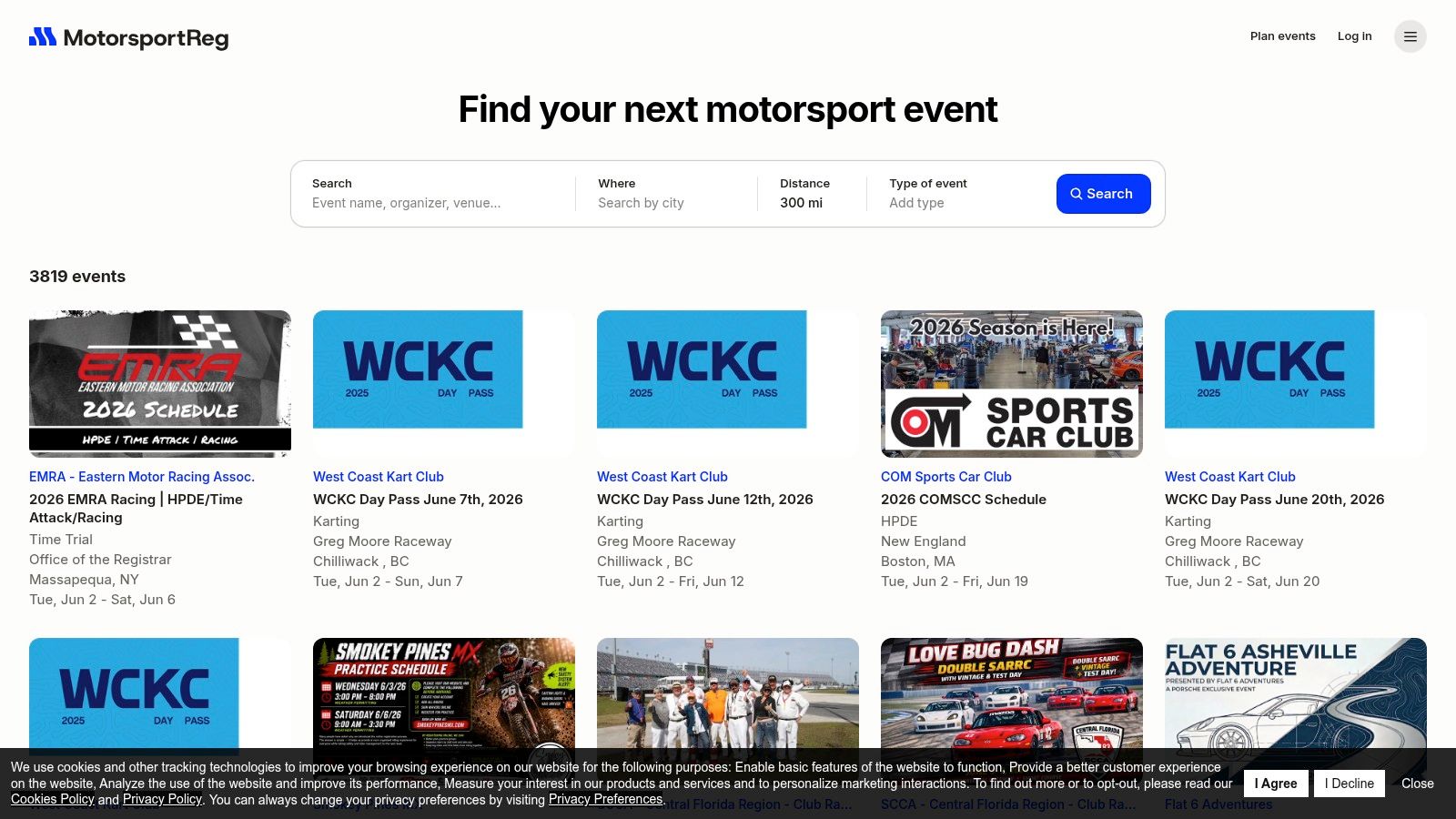
It's especially good for autocross, HPDE, rallycross, club events, and driving-focused weekends. If your version of searching for car events near me includes “Can I register tonight and be ready by the weekend?” this is one of the cleanest options.
Why enthusiasts keep MotorsportReg bookmarked
The biggest advantage is standardization. Clubs may differ, but the registration flow feels familiar, which lowers friction. Waivers, class questions, run group info, and check-in details are usually easier to follow than on a standalone club page.
What MotorsportReg doesn't cover as well is the looser side of the scene. Grassroots meets, parking lot hangs, and informal niche gatherings often live elsewhere.
- Best for active participation: Track days, autocross, and club-run events are easier to search and enter in one place.
- Better registration flow: You spend less time decoding scattered instructions from forum threads or social posts.
- Less useful for casual meets: If the event has no formal signup process, it may never appear here.
Practical rule: If an event requires waivers, classing, or timed arrival, check whether the organizer is using a structured platform instead of relying on comments and DMs.
For organizers, this is also a good reference point for what modern signup should feel like. If you're comparing tools for event registration online, the lesson is simple: attendees tolerate forms when the flow is clear. They leave when details are split across three different pages.
Find it at MotorsportReg.
2. Hagerty Drivers Club Events / Hagerty Events
Hagerty Events works best when you care about presentation, venue quality, and a more curated enthusiast crowd. It leans toward collector, classic, and premium enthusiast experiences, though it isn't limited to one era or style.
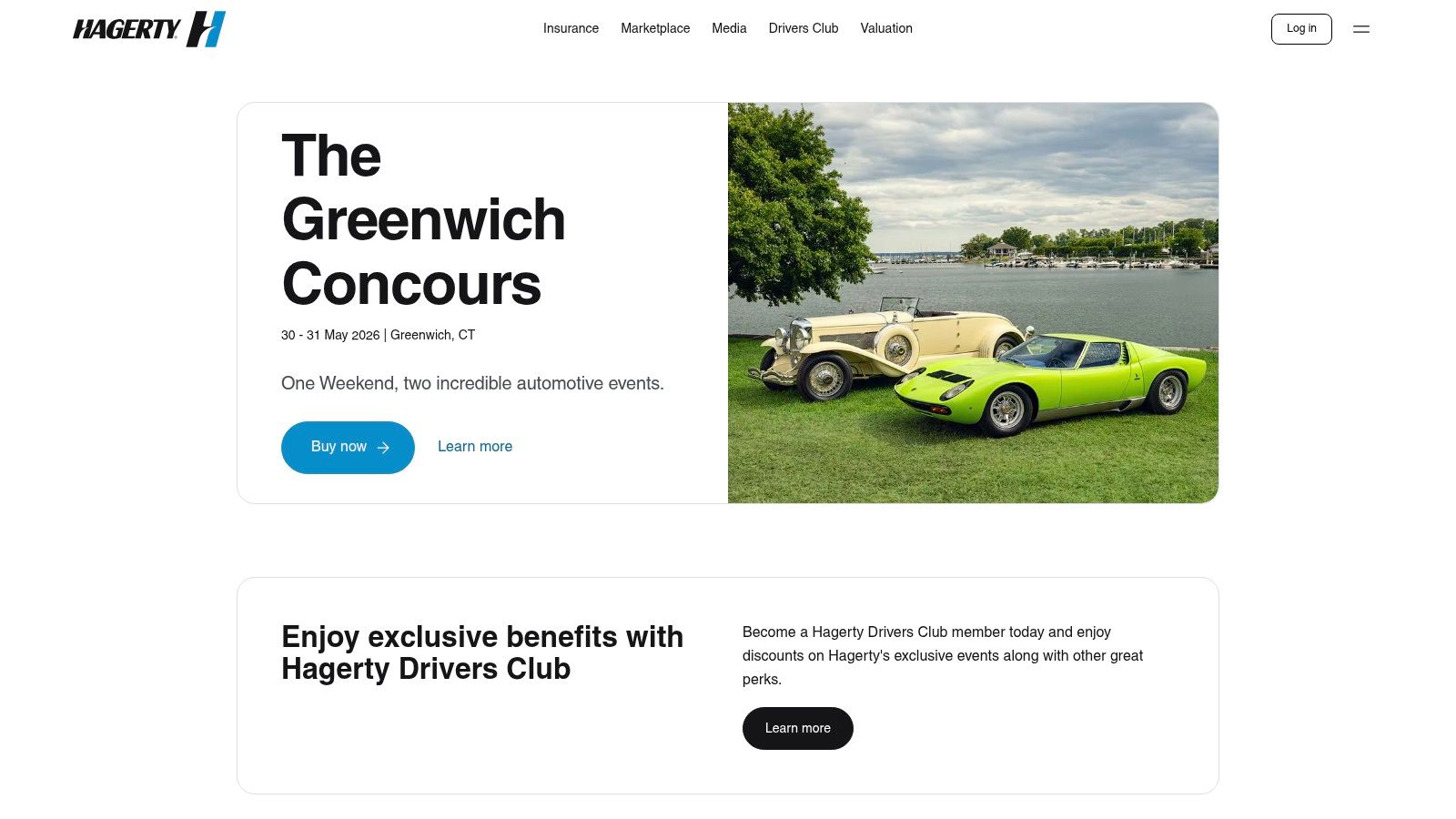
I'd look for polished meetups, touring-style experiences, and branded events that usually have stronger venue coordination than the average local post-and-pray meet. If you've ever driven across town for a “major event” that turned out to be a thin row of cars in a strip mall lot, you'll understand the appeal.
Best use case
Hagerty is strong when you want a date-worthy event, a collector-car outing, or a weekend plan that feels organized before you arrive. It's also useful if you're willing to join a membership ecosystem because some event perks tie into that broader program.
The trade-off is fit. If you're hunting for tuner meets, drift-adjacent culture, or heavily modified late-model scenes, the calendar may feel selective.
Better curation usually means narrower coverage. That isn't a flaw if the events match your taste.
For attendees, that means less random noise. For organizers, it's a reminder that clear positioning matters. A family-oriented concours, a relaxed cars-and-coffee, and a hard-parking night shouldn't all be marketed with the same vague “all makes welcome” copy.
If you're building your own ticketed event page, study how polished event presentation shapes turnout expectations. Clean pre-event communication, good visuals, and simple access info often matter as much as the cars. A practical starting point is understanding how a QR code for event access can simplify entry once people show up.
Browse nearby listings on Hagerty Events.
3. Hemmings Events Calendar
Hemmings still earns its place because it does something many modern discovery tools don't. It respects the detail-oriented side of the hobby. If you're chasing classic, muscle, vintage, hot rod, or swap-meet traffic, this calendar often gives you the kind of practical specifics that save a wasted morning.
Unlike a lot of local listings, the strongest event pages in this category tend to include operational details. That matters because many “car events near me” searches are really asking a more useful question: is this worth my trip for my car, my family, and my budget? Local event pages often list the name and date, but leave out vehicle eligibility, registration rules, parking requirements, or hidden spectator costs. One regional example shows how attendance cost can vary sharply even within the same metro, with some events free for spectators while others list adult tickets at $28 and children at $10, and another event notes spectators are free but a private lot requires a $20 pass.
Where Hemmings is stronger than social search
That's the kind of friction Hemmings helps reduce when the organizer submits a proper listing. You're more likely to see whether it's a cruise, a judged show, a swap meet, or something in between.
- Best for classics and heritage events: The calendar aligns well with old-school shows and annual community traditions.
- Useful for trip planning: Rain dates, fees, and onsite notes matter more than hype photos.
- Region quality varies: If local organizers don't submit updates, coverage gets thin fast.
If your garage leans vintage, this is one of the few places where search still feels built for enthusiasts instead of general event traffic.
Find upcoming listings on the Hemmings Events Calendar.
4. SCCA Events Finder
SCCA Events Finder is for people who want to drive, learn, and come home better at both. It isn't a static show directory. It's a route into sanctioned grassroots motorsport, especially autocross, time trials, rallycross, and club racing environments where rules and safety culture are more consistent.
That consistency matters. Beginners often get overwhelmed by fragmented instructions, unclear safety requirements, and mystery paperwork. SCCA regional structures usually make the learning curve more manageable, even if the actual registration may happen on another platform.
Who should use it
Use SCCA's finder when your search for car events near me really means “where can I start driving my own car in an organized setting?” Autocross is often the easiest on-ramp because the format is approachable and the volunteer culture tends to help newcomers.
This isn't where you go for broad spectator entertainment. It's where you go to participate.
Show people ask, “What's there to look at?” SCCA people ask, “What do I need to bring?”
For organizers, SCCA-style operations are worth studying because they set expectations early. Driver meetings, waivers, check-in flow, classing, and timing are all communicated as operational necessities, not afterthoughts. If you run any event with timed entry windows, multiple sessions, or participant verification, the same logic applies. A simple model for that is QR code race and marathon check-in, where speed and accuracy at the gate matter more than flashy promotion.
Search local regions and events through SCCA Events Finder.
5. Track Night in America
Track Night in America is one of the easiest ways to stop saying “I should take this car on track someday” and do it. The format is built around weeknight HPDE sessions, which makes it more realistic for people who can't give up a full weekend.
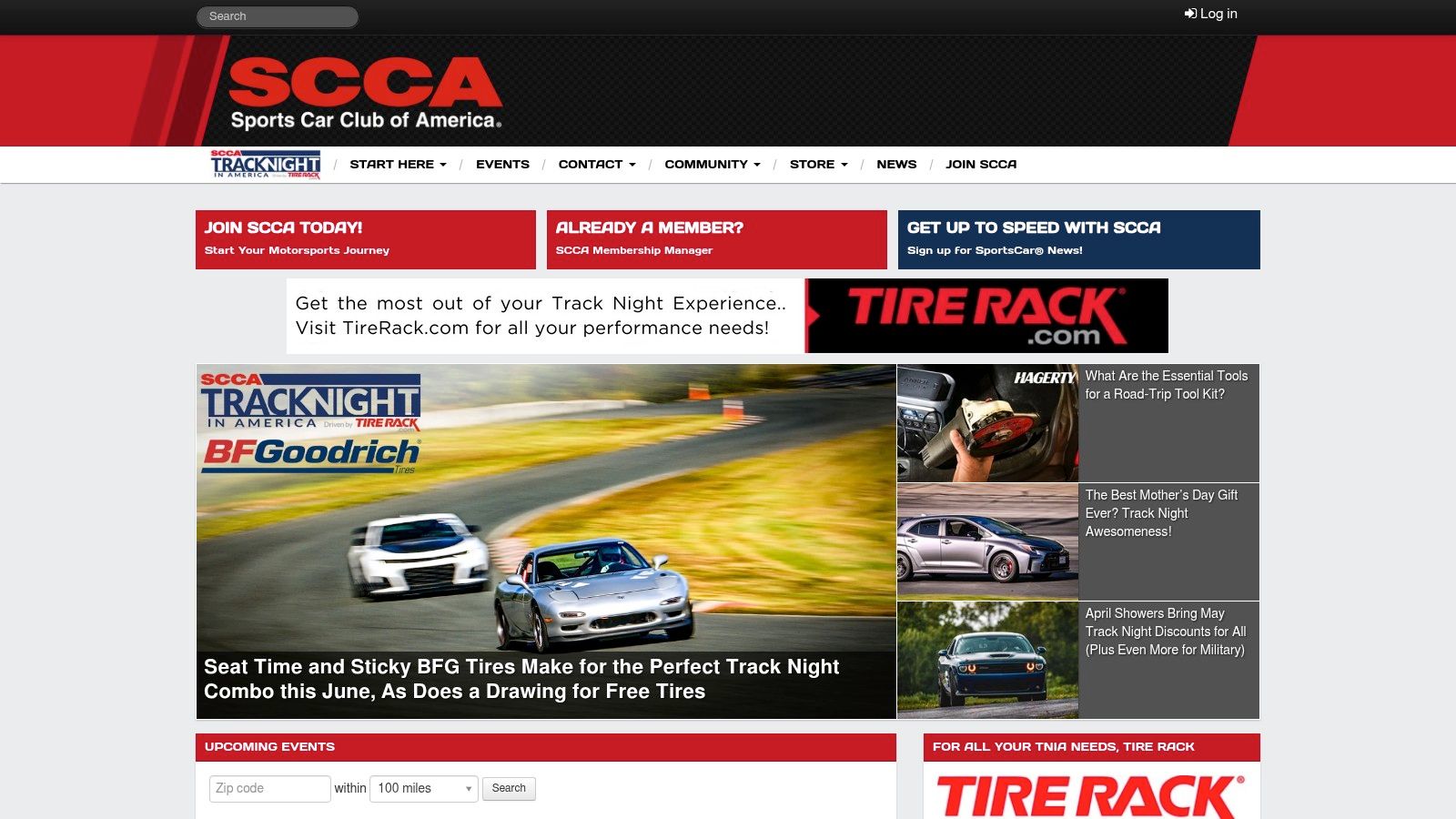
That practical schedule is a primary selling point. A lot of enthusiasts want seat time but get stuck on logistics. A shorter, predictable evening format lowers the barrier.
The trade-off
This platform is narrow by design. If you want cruise nights, judged shows, or mixed-format enthusiast gatherings, this isn't the tool. It's for on-track driving.
It also demands more preparation than casual event browsing. Your car, helmet, tech condition, and timing all matter. That's good. Driving events should ask more from you than a parking lot meet.
For beginners, the upside is structure. For spectators, it's usually the wrong pick. For event planners, the lesson is that clear boundaries improve the experience. The best events tell attendees exactly what the event is, who it's for, and what they need before arrival.
Browse dates and tracks on Track Night in America.
6. Goodguys Rod & Custom Association
Goodguys is what many people picture when they imagine a large-scale branded car event. Big venue, strong annual rhythm, lots of spectator draw, vendor presence, and enough moving parts that you can't fake the operations.
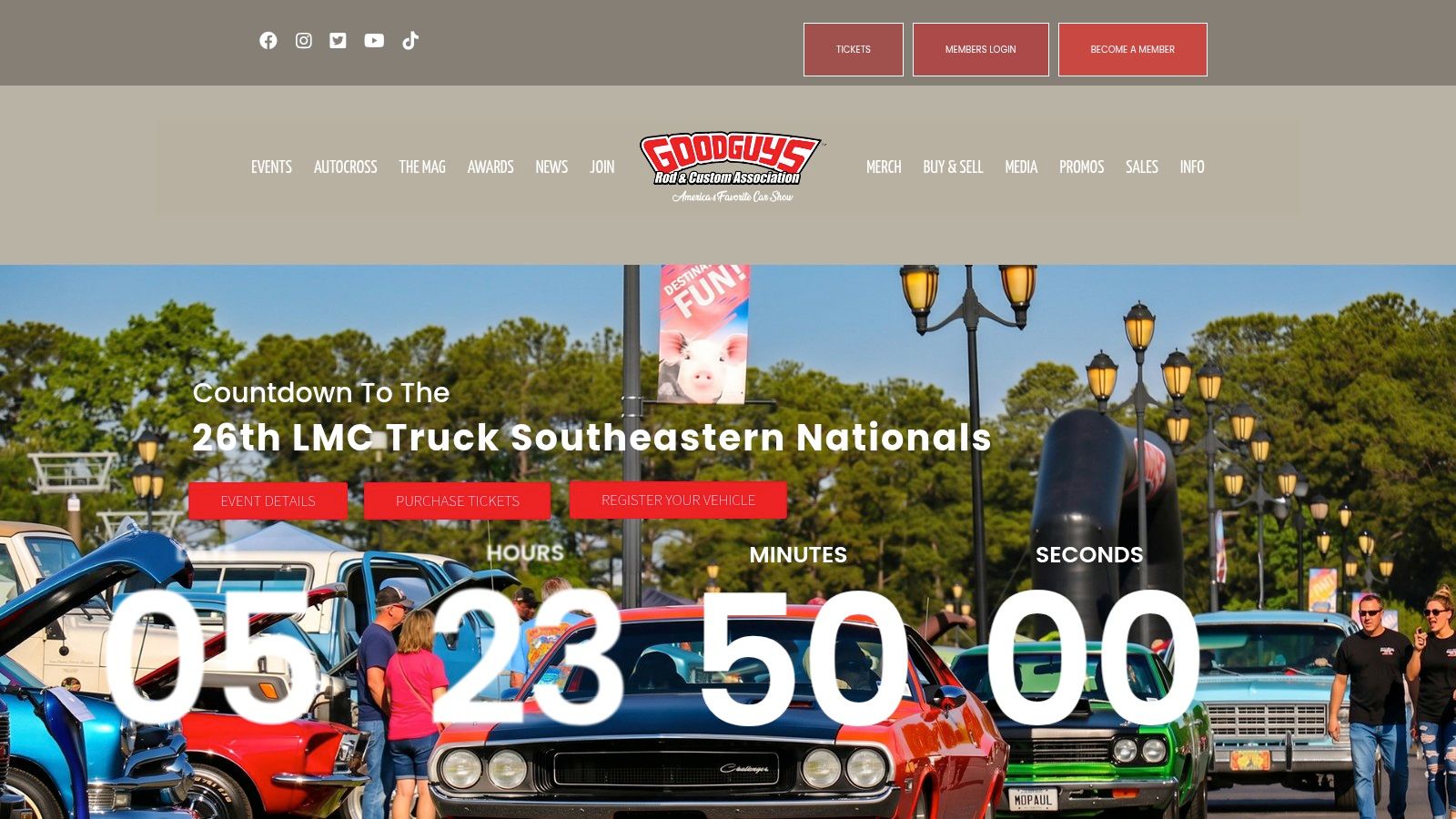
That's important because not every car event is a casual local meet. Major market events run on a different level. The Houston Auto Show is a useful benchmark here. Its 2027 edition is scheduled for January 27 to 31 at NRG Center, with a single-ticket price of $20 plus fees. A multi-day event in a major convention venue with paid admission requires formal ticketing, timed attendance management, and higher-capacity entry control.
Why organizers should pay attention
Goodguys sits closer to that large-event mindset than to the average grassroots gathering. Even when the vibe is fun and enthusiast-first, the operational backbone has to hold up.
What works at this scale:
- Clear annual scheduling: People plan travel around known dates.
- Multiple on-site attractions: Static displays alone usually aren't enough for a full-day audience.
- Structured ticketing and registration: Large crowds punish weak gate planning immediately.
What doesn't work is treating entry as a last-minute volunteer problem. Once you have separate spectator flows, participant credentials, vendors, premium access, or multi-zone movement, you need a real check-in system, not a spreadsheet someone updates by hand in the parking lot.
A lot of organizers still under-explain this part. Attendees need to know how entry works, what happens if connectivity drops, how passes are verified, and how changes get communicated. That operations gap shows up across busy car-event pages, especially when formats include spectator-only access, registration-required sections, private lots, or vehicle restrictions, as described in this St. Louis-area event operations overview.
See the event calendar at Goodguys Rod & Custom Association.
7. Car Show Radar
Car Show Radar is the tool I'd pair with the bigger names, not replace them with. It's simple, purpose-built, and useful when you're trying to find the smaller community shows that don't always surface on the polished platforms.
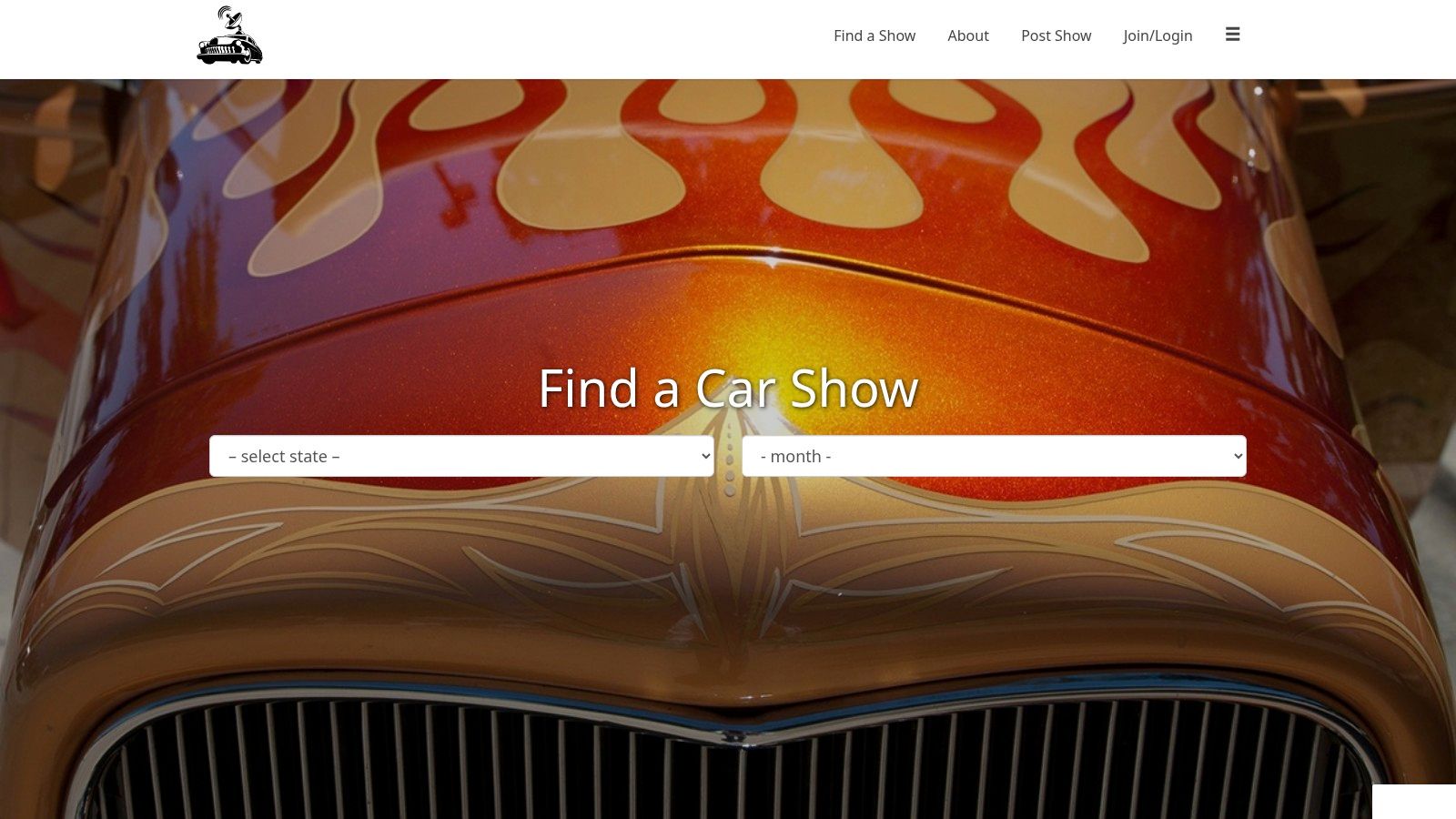
Its strength is exactly what its weakness is. Because grassroots organizers and users can add listings, you'll often find charity shows, local cruise nights, and community events that would otherwise stay hidden. But submission-based calendars always need verification.
How to use it without wasting time
Use Car Show Radar for discovery, then confirm details elsewhere before you drive out. That extra step matters because event pages across the car scene often miss the details attendees care about most.
My usual filter is simple:
- Check the organizer identity: Club, venue, dealership, charity, or private host tells you a lot about reliability.
- Confirm entry model: Drive-in show, walk-in spectator event, preregistered meet, or open cruise night changes everything.
- Look for practical info: Parking rules, family fit, weather policy, and vehicle restrictions matter more than flyer design.
If you're attending a judged or show-quality event, prep still matters. A clean, well-packed car and basic planning save stress on arrival, and this guide to car show preparation is a useful companion to the discovery side.
Search by state, date, and location on Car Show Radar.
Car Events Near Me: 7-Source Comparison
| Service | Complexity (🔄) | Resource Requirements (⚡) | Expected Outcomes (⭐📊) | Ideal Use Cases (💡) | Key Advantages (⭐) |
|---|---|---|---|---|---|
| MotorsportReg | Moderate, setup for organizers; simple for users | Low–Moderate, online tools; common $2 booking fee | High visibility and streamlined registrations | Club-run autocross, HPDE, rallycross, track days | Widest US coverage; standardized registration & waivers |
| Hagerty Events (HDC) | Low, curated listings; member gates for perks | Moderate, membership recommended for best pricing | High-quality, premium event experiences | Classic/collector shows, concours, touring rallies | Curated national calendar; member perks & partner benefits |
| Hemmings Events Calendar | Low, straightforward listing and search | Low, relies on organizer submissions | Strong coverage of legacy and long-running community events | Classic, muscle, vintage shows, swap meets, cruises | Deep, detailed listings with fees/rain-date info |
| SCCA Events Finder | Low, simple finder; regional links | Low, events often register via third-party (e.g., MSR) | Consistent, safe grassroots participation opportunities | Autocross, time trials, rallycross, club racing | Large active network; consistent rules and safety culture |
| Track Night in America | Low, predictable program and schedule | Low, bring street car + helmet; short session fees | Efficient on-ramp to track driving with coaching | Novice HPDE/after-work track sessions | Time-efficient format; novice coaching; frequent dates |
| Goodguys Rod & Custom | Moderate, large-scale event logistics | Moderate–High, travel, vendor fees, optional membership | Large spectator reach and vendor/exposure opportunities | Hot-rod, muscle, custom car national shows | Consistent production, firm dates, strong attendance |
| Car Show Radar | Low, simple search and alert setup | Low, optional free account for alerts | Good discovery of grassroots and charity shows | Local car shows, cruise-ins, community events | Purpose-built for small shows; weekly digests and alerts |
Get Out and Drive Your Next Adventure Awaits
Finding good car events near me isn't really about finding more listings. It's about finding the right listing source for the kind of day you want. MotorsportReg and SCCA are strong when you want to participate. Track Night in America gives you a focused route to real seat time. Hagerty and Hemmings are better when curation, event character, and detail quality matter. Goodguys shows what larger branded production looks like. Car Show Radar helps uncover the local stuff the bigger platforms can miss.
For attendees, the biggest mistake is assuming every event page tells the whole story. It usually doesn't. Check whether your car fits the event, whether you need preregistration, whether spectators and participants use different entrances, and whether there are hidden costs or parking rules. A listing that looks promising can still be a poor fit if it skips the operational basics.
For organizers, the lesson is even clearer. Promotion gets people interested. Operations decide whether they come back. Dense local calendars mean your event isn't competing only on car count. It's competing on clarity. If attendees can't figure out entry, timing, pass requirements, or weather updates, you've created friction before they even see the first row of cars.
That's where modern check-in matters. For a simple community meet, a guest list may be enough. For larger shows, multi-session gatherings, VIP areas, or hybrid spectator-and-participant setups, organized verification becomes part of the event experience. Tools that handle QR code tickets for Google Sheets, QR code attendance for Google Forms, and offline-capable scanning can make that process easier for staff without forcing the whole team onto a new system. Darkaa is one option in that category when organizers want to run ticketing and check-in from Google Workspace.
Pick one platform from this list and use it well. You don't need every calendar open at once. You need the one that matches your scene, your car, and your weekend.
If you run car shows, club meets, expo-style events, or multi-session automotive gatherings, Darkaa gives you QR code tickets for Google Sheets, QR code attendance for Google Forms, branded ticket sending by email or WhatsApp, and offline-capable check-in for day-of entry control. It's a practical fit for teams that want faster gate operations without moving everything into a new dashboard.