You've probably seen clips online, texted the group chat, and wondered whether the Sorry Papi Tour is worth the hype. Maybe you're trying to figure out if it's really women-only, how fast tickets disappear, what to wear, or how early you need to show up so you're not stuck outside while the first DJ set is already rolling.
That confusion makes sense. The Sorry Papi Tour sits somewhere between a themed party, a touring nightlife brand, and a cultural event. For first-timers, the biggest challenge isn't just buying a ticket. It's knowing what kind of night you're walking into, how to stay comfortable in a packed venue, and how to avoid simple mistakes that can ruin the experience before you even get through the door.
Table of Contents
- What Is the Sorry Papi Tour
- How to Get Sorry Papi Tour Tickets
- Understanding the Vibe and Entry Policy
- What to Expect on the Night of the Event
- A Note for Touring Event Organizers
- Sorry Papi Tour Frequently Asked Questions
What Is the Sorry Papi Tour
The Sorry Papi Tour is an all-women-led reggaeton and Latin EDM event series built around a female-centered nightlife experience. It was founded in April 2022 by Miriam Paz and Jackie Terrazas with a core team of 10 women, and it has generated over $2.5 million in ticket sales and $200,000 in merchandise revenue across 44 cities, according to Forbes coverage of the tour's founding and growth.
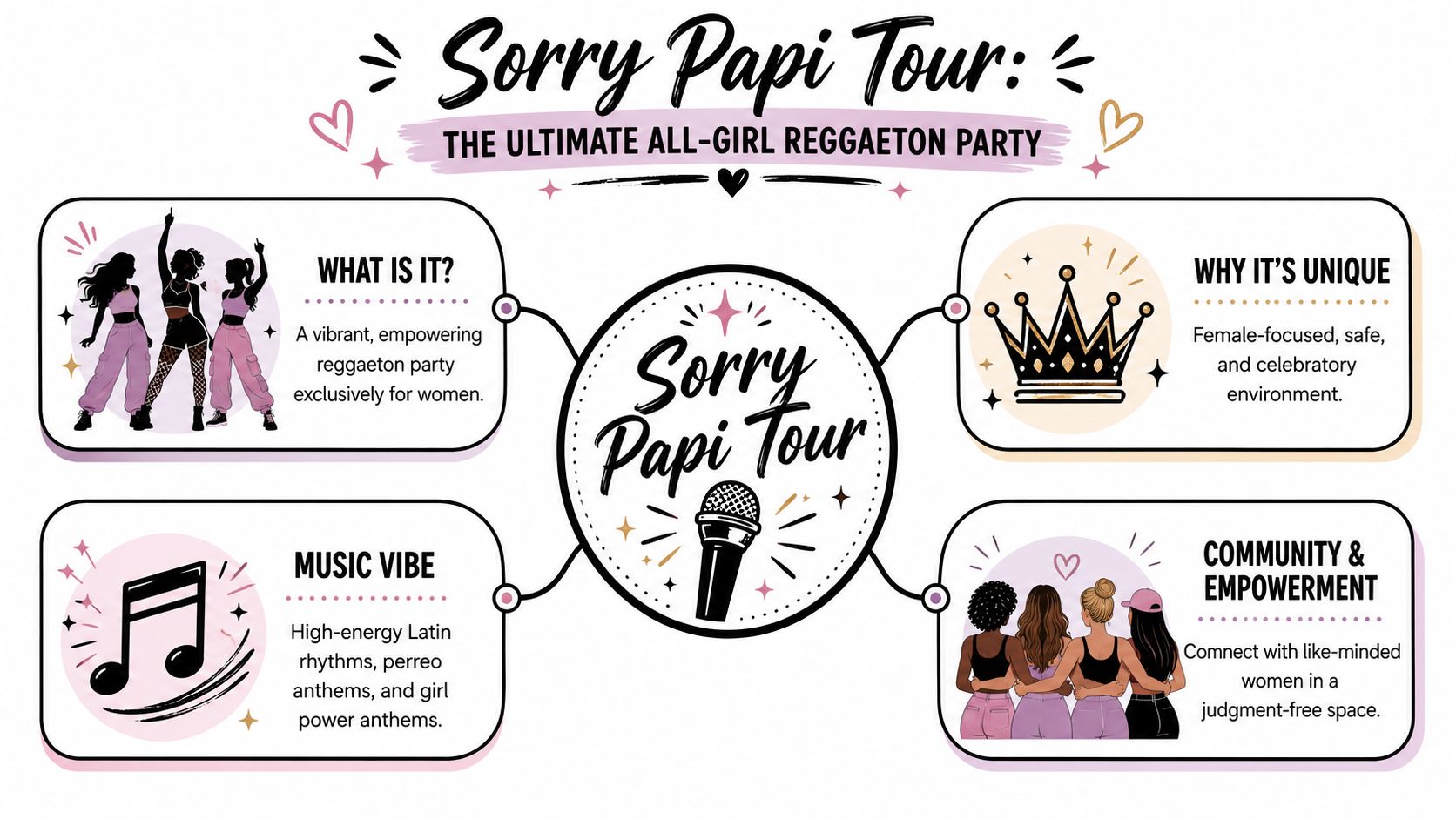
That growth tells you something important. This isn't a one-off themed party that got lucky on social media. It's a touring format that found a clear audience and kept expanding because the concept feels specific. Women go expecting a space designed around their energy, their music preferences, and a more curated crowd dynamic than the average club night.
Why people connect with it so quickly
At a basic level, the appeal is easy to understand. Reggaeton already brings a built-in party language. Add a female-led production team, a women-centered brand identity, and a crowd that shows up ready to dance, and the event immediately feels different from a generic Friday night at a local venue.
A lot of readers get stuck on the phrase “all-girl party.” The better way to think about it is this: the brand is selling an environment, not just a playlist. Safety, celebration, and group energy are part of the product.
Practical rule: If you're deciding whether this event is for you, focus less on the label and more on the experience it promises. High-energy Latin music, themed nightlife, and a female-centered atmosphere are the real draw.
Why it matters beyond one night out
The Sorry Papi Tour also matters because it shows how niche nightlife concepts can scale when the positioning is clear. A tour doesn't reach dozens of cities by accident. It gets there because people understand what they're buying before they arrive.
That's also why it has become interesting to event professionals, not just fans. It combines sharp branding with repeatable production. If you like studying how lifestyle events grow, it belongs in the same broader conversation as other destination and experience-based tours, even if the format is totally different from something like this Ultimate Frank Lloyd Wright tour, where the draw is guided cultural immersion rather than dance-floor energy.
How to Get Sorry Papi Tour Tickets
Tickets are where first-timers make the biggest mistakes. The event's popularity creates urgency, and urgency makes people trust screenshots, random DMs, and reposted links they should ignore.
The strongest reason to be cautious is scale. The 2023 tour visited 50 cities and attracted over 100,000 attendees, which makes it a high-demand event where scams become more likely, as noted in the tour's official Instagram reel about the tour's reach.
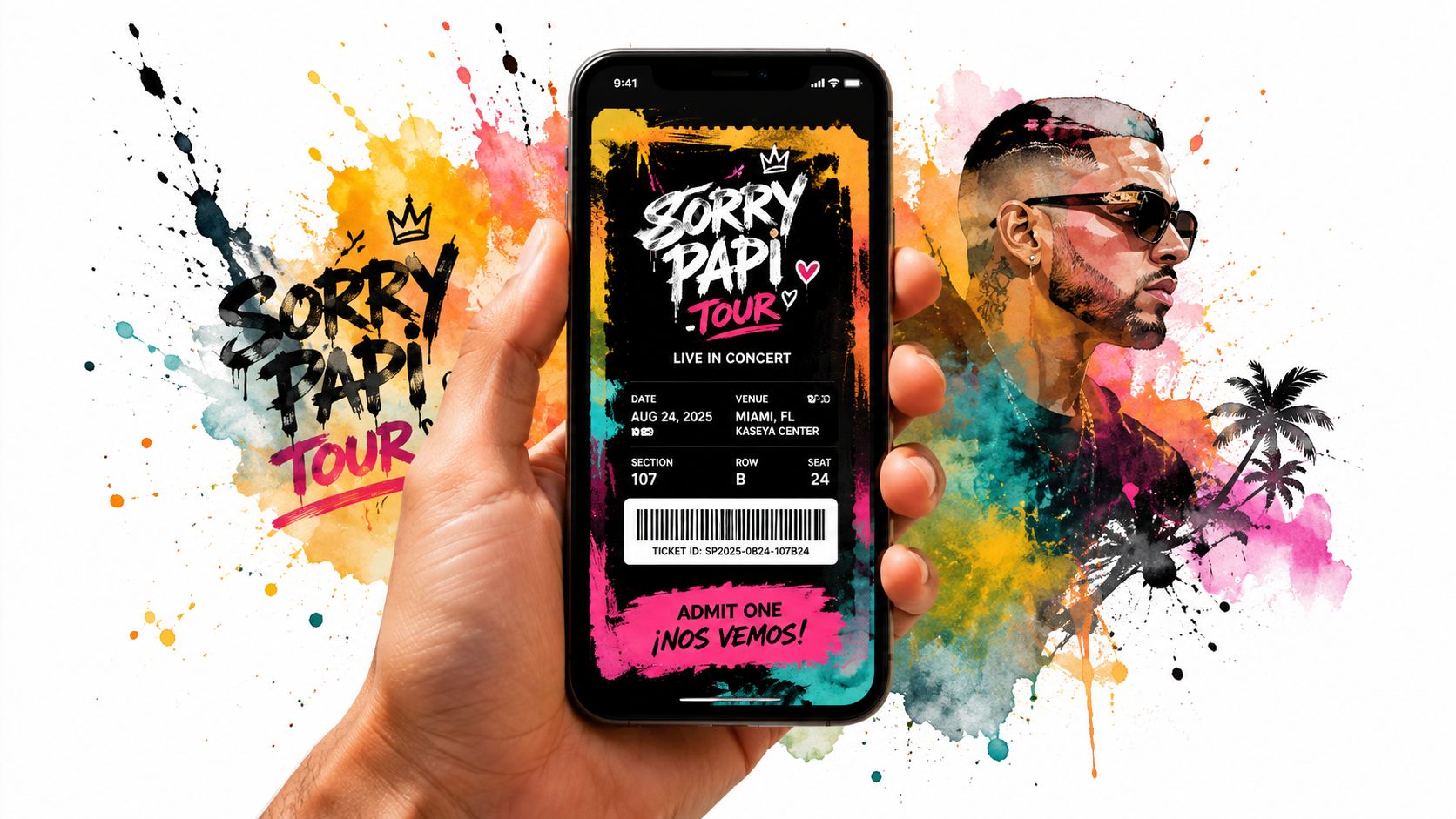
Start with official channels
If you want a smooth night, keep your process boring.
- Check the tour's official social pages first. That's usually where city announcements, on-sale timing, and vendor links appear.
- Use the ticket link attached to the official post or bio. Don't search the event name and click the first ad you see.
- Save your confirmation email and ticket file right away. Put it in a folder you can find quickly on event night.
- Read the venue-specific details. Some stops have different entry flow, parking setups, or line rules.
For organizers studying this from the operations side, this is also why standardized digital distribution matters. A clean buyer path lowers confusion and reduces duplicate support questions. If you want a practical look at how festival and concert teams structure that flow, this guide to QR code ticketing for concerts and festivals is a useful reference.
How digital ticketing usually works
A ticket buyer's consideration of the ticket typically centers solely on its purchase. The door team thinks about it very differently. They need something that can be checked fast and confirmed on the spot.
A QR code ticketing system generates a unique scannable code for each attendee, then retrieves that attendee record from a central platform and confirms validity in real time when scanned at entry, as explained in this overview of how QR code event tickets work.
That's why screenshots, forwarded copies, and “my friend sent me the same code” stories can get messy fast. If the platform expects one valid record tied to one attendee, duplicated files may trigger problems at check-in.
Scam warning signs to watch for
Some red flags are obvious. Others catch smart buyers all the time.
- Pressure language: “Buy in the next five minutes” or “I have ten people asking” is meant to stop you from checking details.
- No proof tied to the event: A blurry screenshot isn't enough. Anyone can fake a basic confirmation image.
- Payment requests through hard-to-reverse methods: If the seller refuses safer payment options, slow down.
- Mismatch between seller story and event details: If they can't name the city stop, venue, or ticket type, walk away.
Buy from official channels when you can. Paying a little more through the right path is cheaper than getting turned away at the door.
Understanding the Vibe and Entry Policy
This is the part people ask about most, because the branding sounds simple while the truth is more nuanced.
The tour is marketed as a women-only rave, but it officially welcomes all who identify as women, “gays,” and “they's,” and real-world attendance at venues like the Belasco Theatre in Los Angeles indicates that male attendees are sometimes permitted, according to the tour's official Instagram profile language and observed attendance details.
What the branding says and what happens in real life
That means two things can be true at once.
First, the event is branded around a female-centered atmosphere. That message is central to the identity of the tour. It shapes who feels invited, what kind of group chats form around it, and how the crowd expects the night to feel.
Second, real-world enforcement can be flexible. If you've read “strictly for ladies” in a flyer and assumed the door policy works like a hard barrier with no exceptions, that may not match what happens in every venue.
Confusion often arises for first-timers. They treat branding language as if it always predicts exact door procedure. In nightlife, that isn't always how it works. Venue staff, local context, and event management practices can all affect how policy is applied.
What the room usually feels like
Inside, the vibe tends to be less about exclusion and more about crowd tone. People come dressed for a theme, ready to dance with friends, take photos, and enjoy a room where women are clearly the center of attention. That changes the energy even when enforcement isn't rigid.
Here's a simple way to understand it:
| Question | Short answer |
|---|---|
| Is the branding female-centered | Yes |
| Does the tour welcome more than just women | Yes |
| Can real venue enforcement be flexible | Yes |
| Should you assume every stop handles entry identically | No |
The most useful mindset is respect. Don't show up trying to test the brand language like it's a legal loophole. Show up understanding the culture the event is trying to create.
What to Expect on the Night of the Event
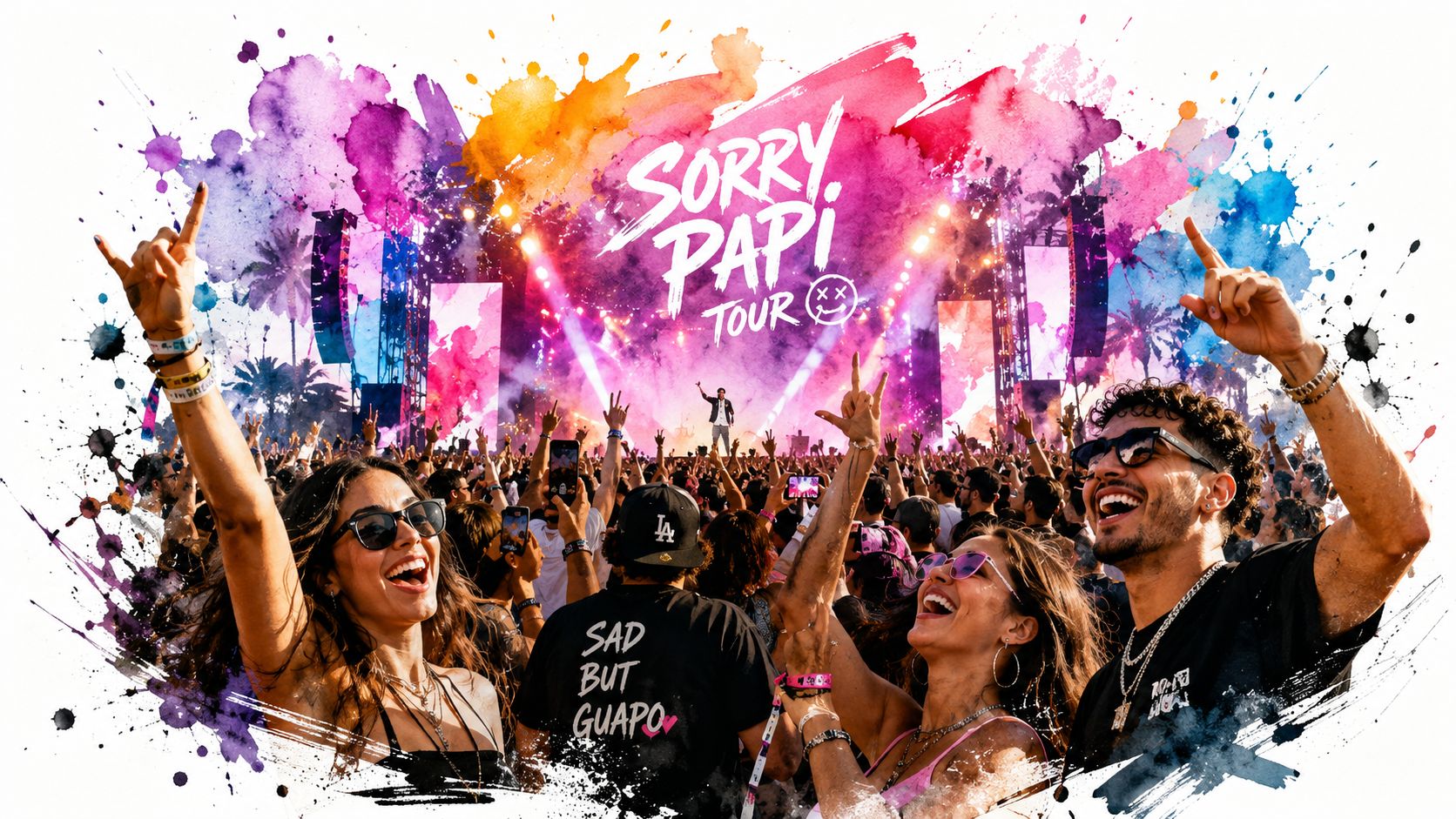
The event night usually moves fast. You line up, get scanned in, find your people, and within minutes the room is already loud, warm, and in motion.
The structure is fairly clear. The Sorry Papi Tour runs with a 21+ age restriction and a 4-hour duration, and it features an all-female DJ lineup. Reviews also point to familiar big-event issues such as overcrowding and high ambient temperatures, based on the tour's Facebook event presence and attendee feedback.
From line to dance floor
If you've never been, expect the first part of the night to be the most logistical. You'll deal with ID check, ticket scan, security, and the first wave of crowd compression near the entrance and bar area.
Once you're in, the format is straightforward:
- Bring your ID: The event is 21+, so don't treat this like a casual oversight.
- Expect a short, intense runtime: A 4-hour event means the energy is concentrated. People don't pace themselves like they would at an all-night club.
- Plan for DJ-driven momentum: An all-female DJ lineup means the transitions matter. The night feels more like one continuing build than a stop-start set list.
For venue teams and planners, this is also where movement problems start. Entry waves, bar lines, and photo-op bottlenecks can affect the room quickly. These crowd management strategies for events are worth reviewing if you're trying to map attendee flow more carefully.
Comfort and safety tips that matter
Your outfit should work for heat, movement, and long stretches of standing. The best look is the one you can dance in without adjusting every three minutes.
A few practical habits make a big difference:
- Arrive earlier than your instincts tell you. Early arrival gives you breathing room before the venue gets dense.
- Hydrate before you go. Hot rooms and dancing can wear you down fast.
- Choose shoes for real standing time. Photos matter. Foot pain matters more by the second hour.
- Set a meeting point with friends. Loud venues make simple texts harder to coordinate than people think.
If a room starts feeling too packed or too hot, step out for a few minutes. Missing one song is better than feeling unwell for the rest of the night.
A Note for Touring Event Organizers
Fans see lighting, music, and branding. Organizers see staffing grids, load-ins, ticket validation, and the line outside at 8:15. A touring nightlife brand only feels effortless when the operations underneath it are disciplined.
That's especially true for events with strong identity-based marketing. Guests arrive with expectations. They want quick entry, consistent rules, and no confusion about whether their ticket will scan.
Why check-in systems matter more than people think
A modern ticketing workflow does one job above all others. It reduces friction at the door. A QR code ticketing system creates a unique code for each attendee, and when staff scan it, the system pulls the attendee record from a central platform and confirms validity in real time, as described in this explanation of QR codes for event entry and validation.
That matters because door problems create a chain reaction. Slow scanning delays entry. Delayed entry bunches the line. A long line creates stress for security, guest services, and the venue itself.
Organizers who run multi-city events should also think in sequence, not in isolated tasks. Staffing, load-in, marketing, artist timing, and guest entry all affect each other. If you need a clear planning reference, this guide to building an event production timeline is a solid operational companion.
A practical setup for multi-city teams
If you're trying to run a similar event model, the most useful systems are the ones your team can learn quickly and repeat city after city. That's why a lot of organizers prefer workflows that stay close to familiar tools.
A practical setup often includes:
- QR code tickets for Google Sheets so the guest list stays editable and easy to review
- QR code ticket check-in for Sheets so door staff can scan and validate quickly
- QR code attendance for Google Forms when RSVPs, segmented entries, or pre-event data collection feed into the same process
Those options are attractive because they reduce tool switching. Teams can manage attendee records, ticket delivery, and check-in logic without creating a separate administrative maze for every tour stop.
Good event operations don't feel “high tech” to guests. They feel fast, clear, and boring in the best possible way.
The lesson from a large touring nightlife brand is simple. Brand identity gets people interested. Reliable entry systems keep the night from falling apart at the front door.
Sorry Papi Tour Frequently Asked Questions
Some questions don't come up until the day of the event. These are the ones that matter most if you want fewer surprises.
Is there a dress code
There's no universal formal dress code listed in the verified material I'm using here, so treat the look as a social norm rather than a strict rule. People often lean into a dressed-up, themed, nightlife style that fits the event's playful, feminine branding.
The safest choice is an outfit that works for dancing, heat, and crowd density. If you're choosing between “cute” and “comfortable enough to last the whole event,” pick the version that gives you both.
How does entry work for non-binary and transgender attendees
This is one of the most important open questions around the Sorry Papi Tour. The tour's public language says it welcomes women, gays, and theys, but there is no transparent policy explaining how gender identity is verified at entry for non-binary and transgender attendees, based on information available on the Sorry Papi website.
That doesn't automatically mean there's a problem at the door. It means the public-facing guidance lacks detail. If this applies to you or someone in your group, the smartest move is to contact the event team or venue ahead of time and ask for the most current entry guidance in writing if possible.
Can you resell a ticket or transfer it
Only use the transfer or resale method supported by the official seller, if one is available. Don't rely on social media promises alone. If a ticket has a unique scannable record tied to buyer data, unofficial handoffs can cause trouble at check-in.
A simple checklist helps:
- Check the original ticket email for transfer instructions
- Use official resale tools if offered
- Avoid duplicate screenshots
- Keep proof of payment and communication
What about bag policies and venue rules
Bag rules usually depend on the specific venue, not just the event brand. Check the venue page and your ticket confirmation before leaving home. The same goes for parking rules, entry windows, and prohibited items.
When in doubt, travel light. Small essentials, charged phone, valid ID, and a clear plan with friends beat carrying extra stuff you may have to throw away at security.
If you run events yourself, Darkaa is worth a look. It turns Google Sheets and Google Forms into a practical ticketing and check-in system with QR code tickets, branded ticket delivery, and scanning that works for concerts, festivals, graduations, and guest-list events without forcing your team into a brand-new dashboard.